
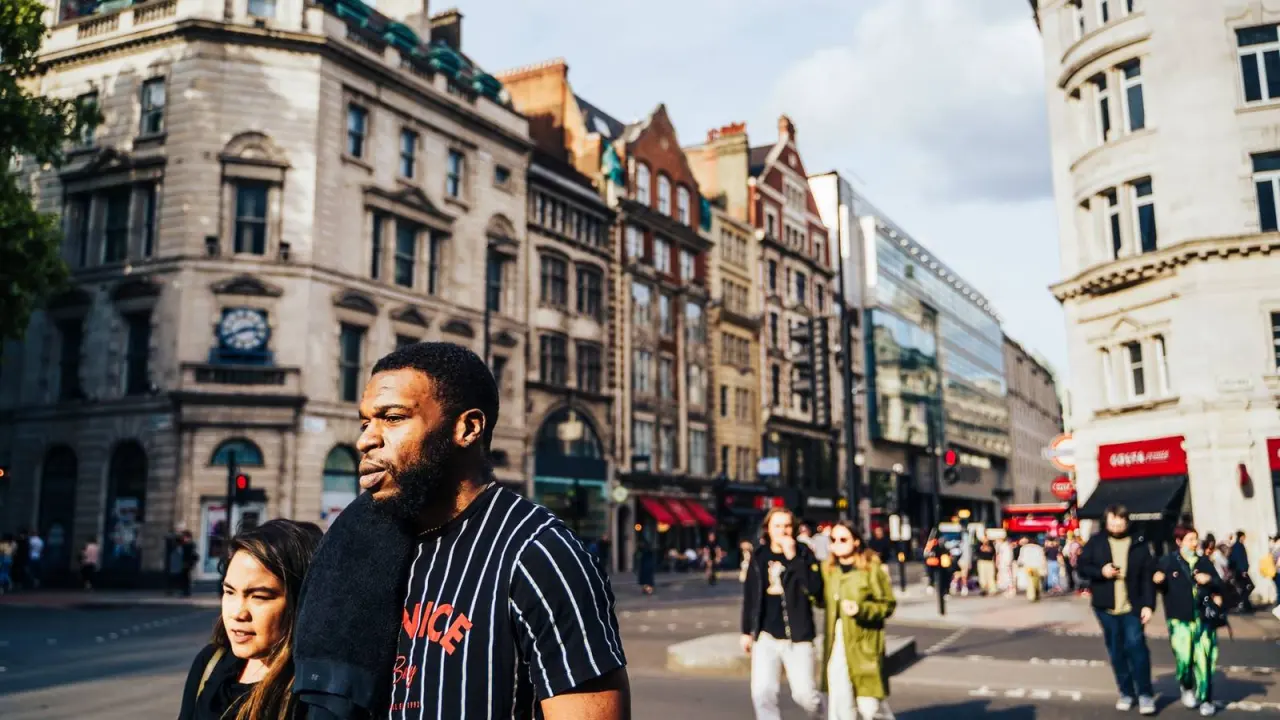
Planning to live in or visit the capital and unsure where to start? London culture and lifestyle is best learned one neighbourhood at a time, on foot and by Tube, with a pint outside and no rush.
| Item | Value |
|---|---|
| Boroughs, each with its own feel | 32 boroughs |
| Size of Hampstead Heath | 790 acres |
| Open-air swimming ponds on the Heath | 3 ponds |
| Neighbourhoods profiled in easyJet’s London guide | 11 neighbourhoods |
These figures come from The Week’s January 2025 neighbourhood guide and easyJet’s neighbourhood guide. Figures can change, so check the source before you rely on them.
What shapes London culture and lifestyle?
Ask a Londoner what the city means to them and, according to Roadbook’s local guide, you will get nine million different replies. That is a useful warning. London is not one culture but many, and the same guide describes a city with globalism built into its past, present and future.
The map explains much of the mix. The Week notes that each of London’s 32 boroughs has its own distinct feel and flair, and it suggests starting with six classic zones. A London x London area guide from 2022 picks 17 neighbourhoods and calls the capital a series of interconnected but independent areas.
Pace matters as much as place. Roadbook says London is more geographically diffuse than New York and should be paced as such, which means you should take your time. Even with good intentions, the writer admits, it still takes most people an hour to get anywhere, as Roadbook puts it.
Three ideas help when you first try to make sense of the city:
- Neighbourhoods keep their own identity, and many still feel like the villages and parishes they used to be.
- Distances are long, so a day works better when it stays in one district.
- The best stories are often in everyday places, such as markets, pubs and community food spots, rather than in headline sights.
Neighbourhoods that give London its everyday character
There is no single best district, only the one that suits your mood. The sources used here describe a handful of areas again and again, and each shows a different side of daily life.
- Hackney is the food-lover’s borough. The Week says most any kind of cuisine at every price point is available there.
- Hampstead is for open air. Hampstead Heath covers 790 acres of woodland, fields and meadows, with three open-air swimming ponds, according to The Week.
- Kensington is for museums, with the Victoria and Albert Museum, the Natural History Museum and the Science Museum among its standouts.
- Soho is for late nights and theatre, including the Soho Theatre, which hosts several shows a night.
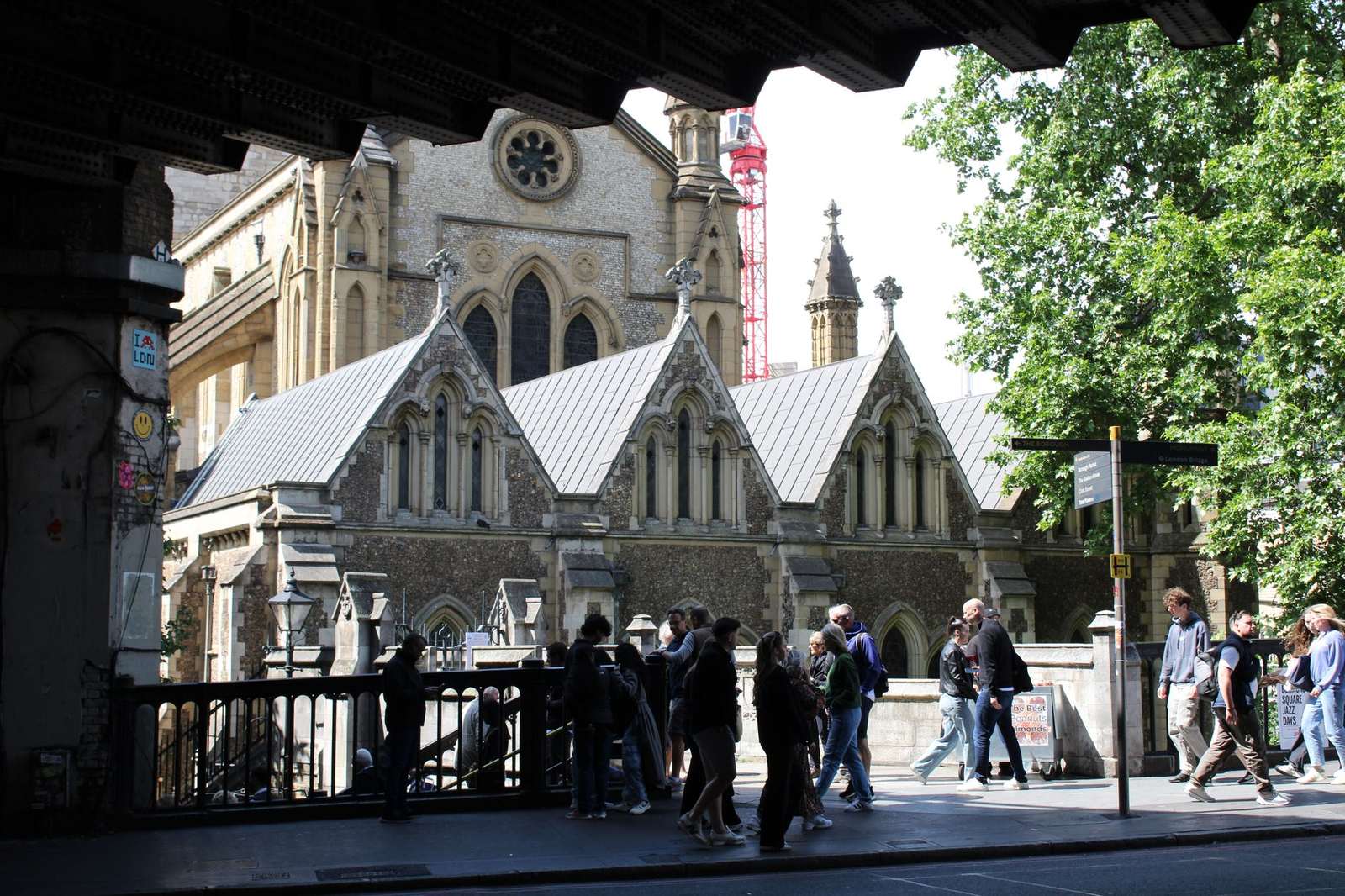
- Southwark sits on the south bank of the Thames and is home to the historic Borough Market.
- Camden is a reliable hub for alternative music, and its Stables Market now offers some awesome street food, says easyJet.
- Peckham and Brixton are in south London. The same easyJet guide describes Peckham as resisting wholesale gentrification and retaining a strong African identity, and Brixton as hugely multicultural, with arthouse films at the Ritzy on Windrush Square.
- Richmond offers rowing boats for hire under the bridge and a quieter, greener pace.
Roadbook argues that south London could easily be one of Europe’s most thrilling cities all on its own. That is a bold claim, but it is a good reason to cross the river at least once, as Roadbook suggests.
If you care about studios, galleries and creative communities, the guide to the best areas of london for artists narrows the map further. Shoreditch is the usual starting point for walls and murals, and London x London says you will be surrounded there by epic street art, ultra-cool bars and quirky markets. You can read more about that scene in the piece on london street art.
Everyday habits and unwritten rules
Londoners can seem reserved at first, and Roadbook says so with some humour. Its writer jokes that eye contact with a stranger is borderline assault and that striking up a conversation on public transport is a faux pas. Treat that as affectionate exaggeration, but a useful guide to the mood.
A few habits help you blend in quickly:
- Answer a casual “How are you?” with “I’m good, thanks” and move on.
- Don’t walk slowly on busy pavements and station stairs.
- Take your pint outside. Roadbook says it doesn’t matter what the weather is, you should enjoy your drink on the street.
- Keep your voice down on public transport, a tip Roadbook aims at American visitors.
The reserve has a softer side. Roadbook says meeting new people is difficult when you arrive without a ready-made community, but make a friend through a friend and you will have them for life. Third places such as pubs, markets, libraries and cafes are where that first friend often turns up.
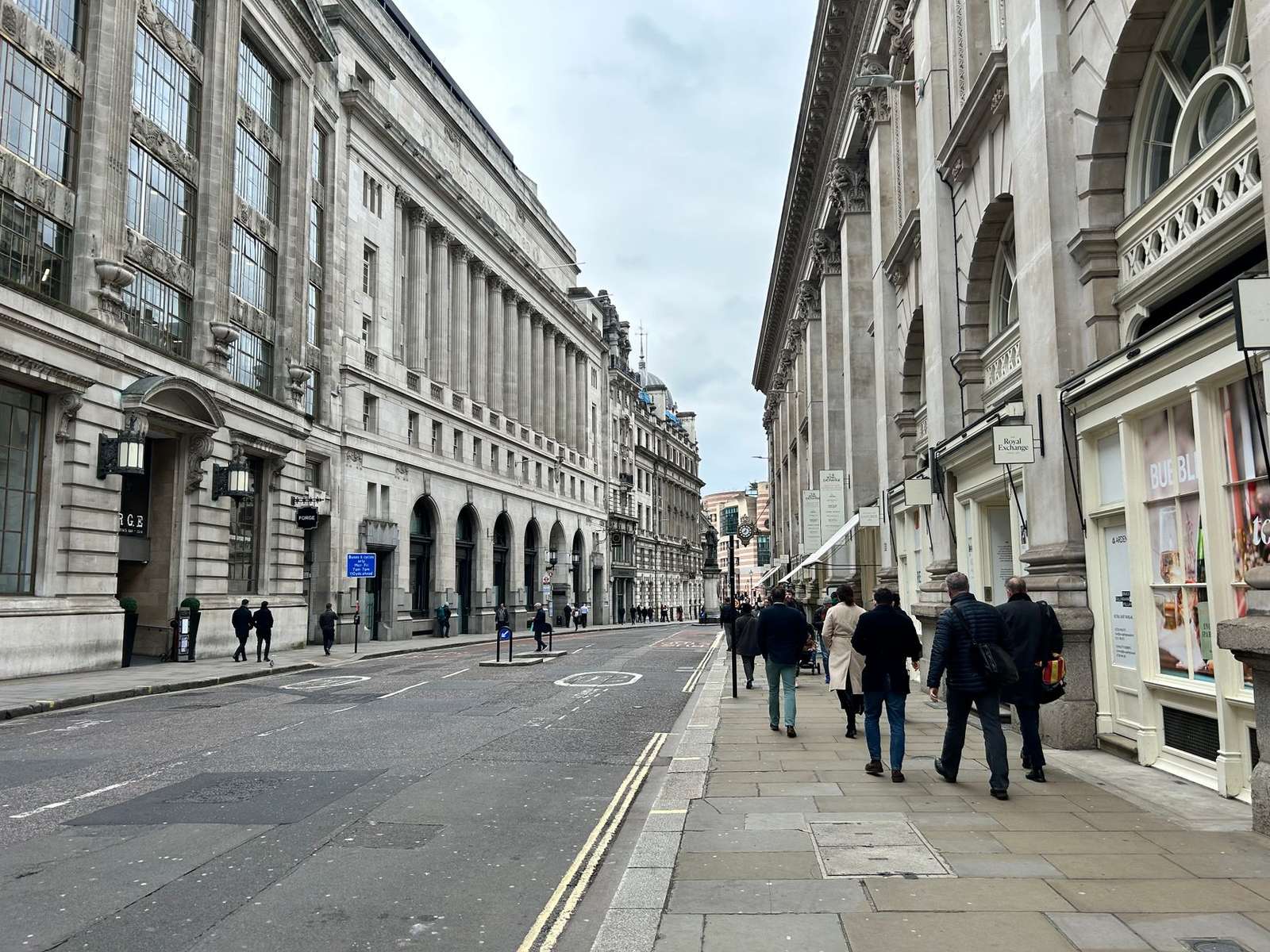
Getting around is the other daily habit to learn. London x London notes that the Tube connects the whole city easily and that the centre is surprisingly walkable. A separate explainer shows how to use the london underground step by step.
Money is the pressure that newcomers feel most. Roadbook reports friends who say the first year in London almost broke them, their bank accounts even more so. The explainer on cost of living in london is the place to start when you build a budget.
Museums, food and nights out
Culture in London is often free to enter. easyJet’s guide praises the city’s marvellous museums, most of which are free. Entry rules differ by venue and exhibition, so check each museum’s own page before you go.
South Kensington packs several of them close together. The Week lists the Victoria and Albert Museum, the Natural History Museum and the Science Museum as standouts, plus the Royal Albert Hall as a concert space. Evenings in Soho are a different pace, with live comedy, sketch and theatre at the Soho Theatre.
Food is where many Londoners show their local pride. Roadbook points to community food crawls as a way to understand the city through its immigrant neighbourhoods:
- A Korean food crawl in New Malden, which Roadbook calls a rite of passage.
- Caribbean boutiques and record stores in Brixton.
- South Indian and Tamil food in East Ham, still bafflingly overlooked, even by locals, according to Roadbook.
Visitors who want a wider menu of days out can browse things to do in london. Pair one museum, one market and one local meal and you have a day that feels like living in the city rather than ticking it off.
Books, comics and quiet places to read
London’s literary side is easy to find on foot. London x London points to Cecil Court in Covent Garden as a quaint collection of indie bookshops where you can hunt down your next great read. It also notes Poet’s Corner at Westminster Abbey, the final resting place for many of the UK’s leading literary figures.
For comics readers, that bookshop habit is the natural next step. The guide to independent bookshops in london continues the thread beyond one lane. After you buy something, one of the best cafes in london to read is a good place to open it.
If you would rather borrow than buy, the page on free libraries in london covers quiet, no-cost places to read. Readers who want to draw as well as read can look at illustration courses in london. The bigger picture of how the city treats comics and cartoons sits in the hub on london comics culture.
How do you start exploring without feeling overwhelmed?
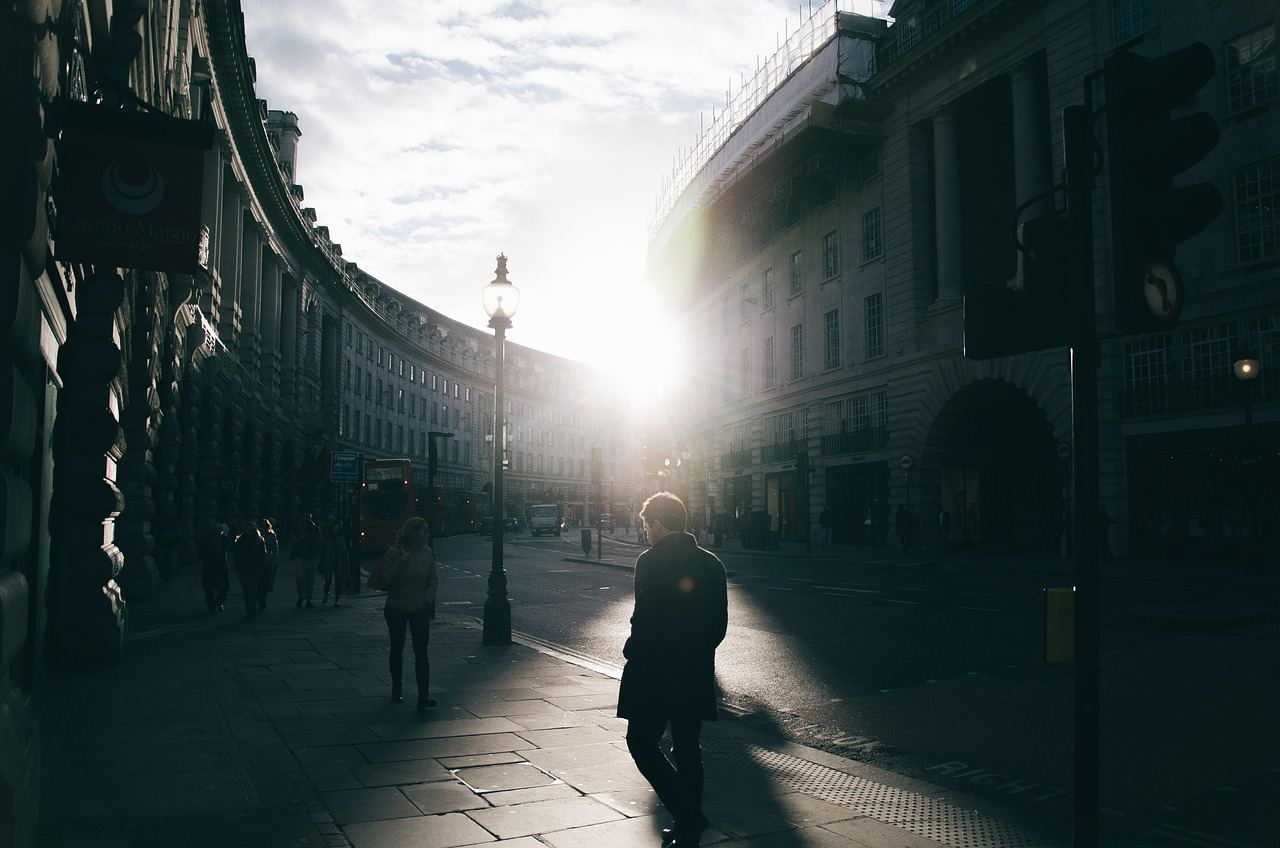
The easiest mistake is to try to see everything. easyJet says making the most of London means picking a district or three that reflect your character and really digging in. That advice works for visitors and new residents alike.
- Choose one district that matches your mood, such as green space, food, music or museums.
- Anchor the day on one market, park or museum, then wander outward from it.
- Walk where you can and use the Tube for longer hops.
- Stop somewhere local for a drink or a read, and take it outside if the pavement allows.
- Return to the same area another day. Familiarity is what turns a trip into a habit.
Repeat the pattern with a new district each time. Over a season you will build your own map of the city, which is how most Londoners did it.
Frequently asked questions
Is London easy to get around?
Show answer
Yes, with some planning. London x London describes the Underground as linking every part of the city, and says the central streets suit walking too. Allow extra time for longer trips, because Roadbook says it still takes most people an hour to get anywhere.
Are London’s museums free?
Show answer
easyJet’s guide says most of the city’s museums are free. Special exhibitions and individual venues can differ, so check the museum’s own page.
Is it hard to make friends in London?
Show answer
Roadbook says meeting new people is difficult for newcomers without a ready-made community. Its advice is encouraging, though: make a friend through a friend and you will have them for life.
Which neighbourhood should you start with?
Show answer
Start with the one that matches your interests. The Week suggests six classic zones, including Hackney for food, Hampstead for open space and Kensington for museums.