
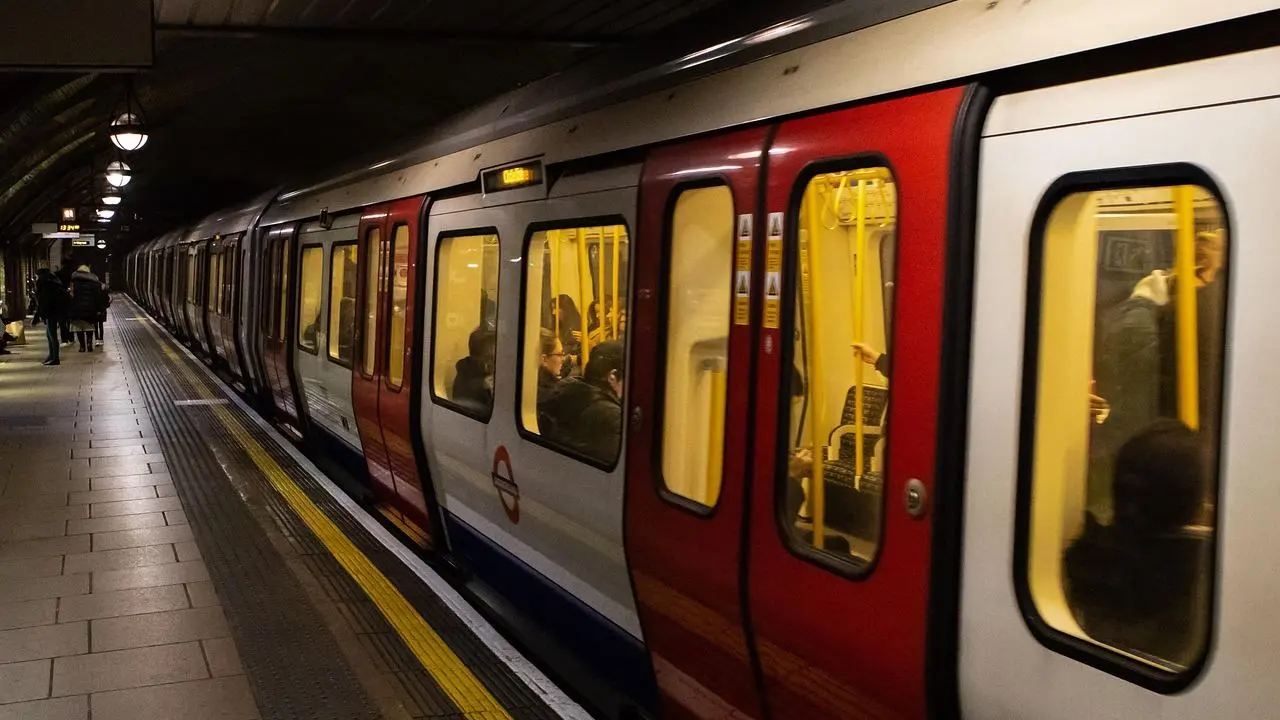
Worried about ticket queues on your first Tube trip? Here is how to use the London Underground: tap in and out with a contactless card or Oyster, and your fares are worked out and capped for you.
If you are settling in, our guide to london culture and lifestyle covers more of everyday city life.
| Item | Value |
|---|---|
| Area where pay as you go works | Zones 1 to 9, plus certain stations beyond |
| Most pay as you go credit an Oyster card can hold | £90 |
| Oyster Auto top-up amounts | £10, £20 or £40 when the balance falls below £20 |
| Railcard discount on Oyster pay as you go | Up to 1/3 off |
| Children under 5 | Travel free with a fare-paying adult |
| Fare capping | Daily and Monday to Sunday weekly caps |
These figures come from National Rail’s guide to Oyster, contactless and Travelcards. Fares and rules can change, so check the source before you rely on them.
Which way to pay should you choose?
You have a few main options on the Tube, and the right one depends on how long you are staying. National Rail says that within the London Zonal Area (Zones 1 to 9), and to certain stations beyond, you have lots of ways to pay.
- Contactless: tap a bank card or phone, with nothing to buy or top up first.
- Oyster: a Transport for London (TfL) card that you load with credit before you travel.
- Travelcard: a pass bought ahead that gives unlimited travel in the zones it covers.
With pay as you go on contactless or Oyster, there is no need to buy a ticket online or at the station. As long as you touch in and out, you are charged the correct fare for your journey.
How to use the London Underground with contactless
A contactless card or device works on National Rail, London Underground, DLR, London Buses and London tram services within London. National Rail’s advice is simple: just turn up, touch in and go. There is no need to queue for a ticket or top up before you travel.
You are charged the cheapest adult fare for your journey on the day and time you travel. For most people, that fare is the same as a ticket bought on the day.
The trade-off is discounts. National Rail’s page says Railcard and other discounts, such as a child discount, do not apply when you pay as you go with contactless, so check that page if you hold one.
You will be in good company at the barriers. A TfL press release dated 23 April 2018 reported that contactless had become the regular way to pay for half of Tube and rail pay as you go trips.
Using an Oyster card
Oyster is the TfL card that lets you store up to £90 of pay as you go credit. You can use it on London Buses, London Underground, London Tram, DLR, London Overground, most Elizabeth Line services, the cable car and Thames Clippers River Bus services.
Unlike contactless, you must add money to an Oyster card before you travel. If you set up Auto top-up, TfL automatically adds £10, £20 or £40 from your bank account when your balance falls below £20.
Oyster also suits people with discounts. Railcard discounts can be applied to your card for up to 1/3 off pay as you go travel, although a few Railcards, including Network Railcards, are excluded.
When does a Travelcard make sense?
A Travelcard gives you unlimited travel in the zones for which it is valid on National Rail services, the London Underground and DLR. It also works on all London Buses. Travelcards can start on any day and can be bought for 1 day, 7 days, 1 month, or any period between 1 month and 1 year.
The One Day Travelcard is a paper ticket, and National Rail suggests you may want to compare it with pay as you go, because the daily cap can work out cheaper. Travelcards for 7 days or longer can only be added to your Oyster or a train company Smartcard, and an Oyster card can store up to three of them.
If you are planning a longer stay, it helps to know the cost of living in london alongside your travel budget.
How fare capping keeps costs down
Capping is a limit on what you pay. On contactless, once your journeys add up to a certain amount in a day or a week (Monday to Sunday), you are not charged any more.
Oyster has the same daily and weekly caps. National Rail says that if you make several rail journeys, or a mix of rail, bus and tram journeys in one day, daily capping is better value than buying a Day Travelcard in Zones 1-9.
Children, discounts and day trips
Families have more choice than the contactless page might suggest. National Rail lists these points for Oyster:
- Under 5s travel free with a fare-paying adult.
- Children aged between 5 and 18 can use different Oyster photocards that offer free or discounted travel.
- Child pay as you go fares are not available on contactless.
Once you are comfortable tapping in and out, a trip to one of the independent bookshops in london makes a low-pressure first journey.
Frequently asked questions
Do I need to buy a ticket before I travel?
Show answer
Not with contactless: you touch in and go. With Oyster you must add money first, and a Travelcard must be bought before you travel.
Can I use my Railcard with contactless?
Show answer
National Rail’s page says no. You can apply Railcard discounts to an Oyster card, except for a few Railcards such as Network Railcards, so check the source for the current list.
How many people pay by contactless?
Show answer
As of TfL’s press release of 23 April 2018, half of all Tube and rail pay as you go journeys were regularly made using contactless cards or mobile devices.
Is there a limit on what I pay in a day?
Show answer
Yes. Both contactless and Oyster have daily caps and weekly caps that run Monday to Sunday, so extra journeys after the cap are not charged.